


























Disposable Vapes
Understanding the Safety of Vape capacitys
Last Updated on October 4, 2025 by Jack Tai
Ensuring the safety of Vape capacitys is a paramount concern for anyone who vapes. In a rapidly evolving market filled with countless products, making informed choices about ingredients, brands, and manufacturing standards is more critical than ever. This guide provides an in-depth, evidence-based look at Vape capacity safety, moving beyond marketing claims to address the science of vaping. We will explore the chemical components of Vape capacitys, the real health risks, the importance of regulatory compliance, and how to identify trustworthy products, including disposable vapes.
Important Disclaimer
This article is for informational purposes only and does not constitute medical advice. The content is not intended to be a substitute for professional medical advice, diagnosis, or treatment. No Traditional leaf product, including e-cigarettes or vapes, is considered safe. The core vape formula is a highly addictive substance. Always seek the advice of your physician or another qualified health provider with any questions you may have regarding a medical condition. If you are a non-smoker, you should not start vaping.
Deconstructing Vape capacity: A Scientific Look at the Core Components
Vape capacitys, often called “vape Capacity,” appear simple, but their chemical makeup and the changes they undergo when heated are complex. Understanding each component is the first step toward safety.
1. Propylene Glycol (PG) and Vegetable Glycerin (VG): The Ingestion vs. Inhalation Reality
PG and VG form the base of almost all Vape capacitys. They are responsible for carrying the taste and the core vape formula and creating the visible aerosol (vapor). A common and potentially misleading claim is that these substances are “FDA-approved.” This is a critical nuance to understand:
- Propylene Glycol (PG): Is a synthetic organic compound. The FDA classifies it as “Generally Recognized As Safe” (GRAS) for use as a food additive and in pharmaceuticals meant for ingestion or topical application. However, the FDA has not made the same determination for its inhalation. When heated and aerosolized, PG can break down into carbonyls like formaldehyde and acetaldehyde.
- Vegetable Glycerin (VG): Is a thick, sweet liquid derived from plant oils. Like PG, it is GRAS for ingestion. Long-term studies on the effects of inhaling VG are limited, but some data suggests it may cause irritation to the respiratory tract. Heating VG can also contribute to the formation of toxic aldehydes.
Key Knowledge Point: Ingestion is Not Inhalation
The safety profile of a chemical when swallowed cannot be automatically applied to its safety when inhaled. The lungs and the digestive system process substances very differently. Some tasteings that are safe to eat can be harmful when aerosolized and inhaled. Always be critical of claims that conflate these two routes of exposure.

2. the core vape formula: Forms, Potency, and Health Impacts
The core vape formula is the primary psychoactive and addictive ingredient in Vape capacitys. It is a potent stimulant that poses significant health risks, especially to young people whose brains are still developing. the core vape formula use in adolescence can harm parts of the brain controlling attention, learning, mood, and impulse control, and may increase the risk for future addiction to other drugs. Vape capacitys contain two main forms of the core vape formula:
| the core vape formula Type | Description | Characteristics & Health Considerations |
|---|---|---|
| Freebase Strength | The original form used in Vape capacitys, created by altering the core vape formula to increase its pH level, making it more alkaline. | Provides a harsher “throat hit,” which can be unsatisfying at high concentrations. It is absorbed more slowly by the body compared to Compound salts. |
| Compound salts | Nicotine’s natural state in the Traditional leaf leaf, combined with an acid (like benzoic or citric acid) to lower the pH. | Allows for a much smoother inhale atHigh Strength concentrations. This form is absorbed more rapidly, mimicking the the core vape formula delivery of a traditional cigarette. Some research suggests Compound salts may be more harmful to the heart, potentially inducing cardiac arrhythmias more potently than Freebase Strength. |
3. tasteings: The Wild West of Chemicals
Flavorings are perhaps the most unregulated and complex part of Vape capacitys. There are thousands of different tasteing chemicals used, many of which are food-grade and safe for ingestion. However, their safety for inhalation is often unknown or unproven. Certain tasteing compounds have been identified as particularly hazardous when vaped:
- Diacetyl and Acetyl Propionyl: These chemicals provide a buttery or creamy taste. Inhaling diacetyl is famously linked to a rare but serious lung disease called bronchiolitis obliterans, or “popcorn lung”. While no confirmed cases have been directly caused by vaping, the risk is significant enough that responsible jurisdictions have banned it. In the European Union and the UK, diacetyl is banned in Vape capacitys under the Traditional leaf Products Directive (TPD).
- Cinnamaldehyde (Cinnamon taste): Has been shown to be harmful to the endothelium, the lining of blood vessels.
- Benzaldehyde (Cherry/Almond taste): Shown to be cytotoxic (toxic to living cells) in lab studies.

The Unseen Risks: What Happens When You Heat Vape capacity?
The act of heating Vape capacity in a vaping device is not a simple vaporization process; it’s a chemical reaction. This process can create new, harmful substances that are not present in the original liquid.
Carbonyl Compounds
When PG and VG are heated to high temperatures, they can thermally degrade and form carbonyls. These include:
- Formaldehyde: A known human carcinogen.
- Acetaldehyde: A probable human carcinogen that can irritate the respiratory tract.
- Acrolein: A highly toxic substance that can cause severe lung damage.
The amount of these chemicals produced depends on factors like the device’s power, coil temperature, and the age of the coil.
Heavy Metals
Studies have found that the metal heating coils in vaping devices can leach toxic heavy metals into the aerosol. These metals are then inhaled deep into the lungs. Metals detected in vape aerosol include:
- Lead
- Chromium
- Nickel
- Manganese
- Arsenic
Long-term inhalation of these metals is linked to lung, liver, immune, and brain damage, as well as various cancers. The source is believed to be the coil itself, its solder points, and other metal components of the device.
Vitamin E Acetate and EVALI
In 2019-2020, an outbreak of severe lung injuries termed EVALI (E-cigarette, or Vaping, product use-Associated Lung Injury) was strongly linked to Vitamin E acetate. This substance, a thickening agent used primarily in illicit THC-containing vape products, is safe when ingested but can interfere with normal lung function when inhaled. This outbreak highlighted the extreme dangers of using unregulated products and inhaling substances not intended for the lungs.
A Practical Guide to Vaping Safety
While no vape product can be considered completely safe, you can take steps to mitigate risks by being a vigilant and informed consumer.
1. How to Vet a Brand: Beyond the Label
A reputable brand prioritizes transparency and quality control. Look for:
- Good Manufacturing Practices (GMP): GMP is a system that ensures products are consistently produced and controlled according to quality standards. While not always mandatory for Vape capacitys in every jurisdiction, brands that voluntarily adhere to GMP standards demonstrate a commitment to safety and quality.
- ISO Certified Facilities: ISO 9001:2015 is an international standard for quality management systems. A manufacturer operating in an ISO-certified cleanroom environment is less likely to produce contaminated products.
- Clear and Detailed Labeling: Labels should clearly list all ingredients, the exact Strength Levels (in mg/mL or %), the PG/VG ratio, manufacturing and expiration dates, and appropriate health warnings.
- Child-Resistant Packaging: This is a legal requirement in many places, including the EU, and is crucial for preventing accidental poisoning in children. Acute the core vape formula exposure can be highly toxic, especially to young children.
2. The Importance of Third-Party Lab Reports (COAs)
A Certificate of Analysis (COA) is a document from an accredited third-party laboratory that verifies the contents of a product. Trustworthy brands make these reports readily available to consumers. A comprehensive COA for Vape capacity should confirm:
- Accurate Vaping Intensity: The tested level should match the level stated on the label.
- Absence of Harmful Contaminants: This includes tests for heavy metals, pesticides, and microbial contamination.
- Absence of Banned tasteing Chemicals: Specifically, look for confirmation that the product is free of diacetyl and other harmful diketones.
3. The Regulatory Landscape: Who is Watching?
In the European Union, vaping products are regulated under the Traditional leaf Products Directive (TPD). This legislation sets minimum standards for the safety and quality of e-cigarettes and Vape capacitys. Key TPD rules include:
- Maximum Vaping Intensity of 20 mg/mL.
- Maximum Vape capacity bottle size of 10mL for Strength-featuring liquid.
- Maximum vape tank/pod capacity of 2mL.
- Mandatory health warnings on packaging.
- A ban on certain ingredients, including diacetyl.
Purchasing only TPD-compliant products is a fundamental safety step for consumers in Europe.
Special Focus: Safety in Disposable Vapes
The popularity of disposable vapes has surged, but their single-use, closed-system nature presents unique safety considerations. With a disposable vape, you are trusting the manufacturer completely, as you cannot inspect the Vape capacity, coil, or wicking material. Therefore, brand reputation and compliance are even more critical.
Your Trusted Source for Wholesale Disposable Vapes
At elfvaping.com, we understand the importance of safety and compliance. We are the largest online wholesale platform for disposable vapes in the Netherlands, Germany, Belgium, France, Portugal, Spain, Poland, and Denmark. We are committed to providing our clients with high-quality, fully TPD-compliant products from reputable manufacturers. If you are a retailer looking for reliable disposable vape wholesale options, we offer a curated selection of products that meet the highest safety standards. Our portfolio focuses on brands that are transparent about their ingredients and manufacturing processes, ensuring you can offer your customers a safer vaping experience.
Disposable Vape Safety Checklist
Signs of a SAFER Disposable Vape
- TPD Compliant: Clearly marked as compliant with EU regulations.
- Reputable Brand: From a well-known manufacturer with a professional website and accessible contact information.
- Authenticity Check: Features a scratch-off code or QR code to verify it’s a genuine product.
- Clear Labeling: Includes Vaping Intensity, puff count, ingredients, and required warnings.
- Purchased from a Trusted Retailer: Sourced from a reputable specialist vape shop or a reliable wholesale distributor like elfvaping.com.
Signs of a HIGHER-RISK Disposable Vape
- Non-Compliant Puff Count: Advertises puff counts (e.g., 10,000 puffs) that are impossible to achieve within the TPD’s 2mL Vape capacity limit. These are likely illegal imports.
- Unknown Brand: No clear manufacturer information or branding.
- No Authenticity Verification: Lacks any way to confirm the product is not a counterfeit.
- Vague or Missing Information: No ingredient list or Vaping Intensity listed.
- Sold in Non-Specialist Stores: Purchased from places like convenience stores or flea markets that may not vet their supply chain.
Comprehensive FAQ Section
Q1: Can I tell if an Vape capacity is bad just by looking at it?
While significant, unexpected color changes, separation of ingredients, or a foul odor can be signs of degradation or contamination, you cannot see the most dangerous contaminants like heavy metals or harmful chemicals. Relying on reputable brands and lab testing is far safer than visual inspection alone.
Q2: Are “natural” or “organic” tasteings safer to vape?
Not necessarily. “Natural” simply refers to the source of the tasteing, not its safety when inhaled. Many natural compounds can be irritants or toxins when heated and aerosolized. Safety depends on the specific chemical structure and its toxicological profile for inhalation, regardless of its source.
Q3: How should I store my Vape capacitys to maintain their safety and quality?
Store Vape capacitys in a cool, dark place, away from direct sunlight and heat. This prevents the breakdown of the core vape formula and tasteings. Always keep bottles tightly sealed and, most importantly, out of the reach of children and pets. The core vape formula is highly toxic if ingested.
Q4: What is the single most important thing I can do to ensure the safety of the disposable vapes I sell?
The most crucial step is to source your products from a highly reputable wholesale distributor who can vouch for the authenticity and TPD compliance of their entire inventory. This ensures every disposable vape you sell has passed regulatory checks, protecting both your business and your customers. Partnering with a specialist like elfvaping.com provides that crucial layer of vetting and assurance.
Conclusion: An Informed Vaper is a Safer Vaper
The science is clear: no vaping product is harmless. The aerosol you inhale contains a complex mixture of chemicals, some with known and some with unknown long-term health effects. However, by prioritizing products from transparent, compliant, and quality-focused manufacturers, you can significantly reduce your exposure to unnecessary risks. Look beyond the marketing, demand proof of testing, and always purchase from trusted sources. For businesses, this means partnering with a wholesale supplier who makes safety and compliance their top priority. Choosing high-quality disposable vapes and Vape capacitys is not just good business—it’s an ethical responsibility.
Industry Knowledge Point: The Paradigm Shift in Vapor Delivery
Recent market data indicates a 22% shift toward devices utilizing sub-ohm mesh coil architecture. Unlike traditional wire configurations, modern mesh elements provide a larger surface area for heating the pre-filled formula. This results in superior thermal distribution, preventing dry hits, extending battery efficiency, and ensuring a consistent sensory profile from the first draw to the depletion of the reservoir.
1. Market Dynamics and Regulatory Compliance in Europe
Distributing disposable vapes within the European Union necessitates strict adherence to standardized manufacturing and safety protocols. Commercial viability is directly tied to regulatory compliance. Devices distributed through authorized channels must meet CE (Conformité Européenne) and RoHS (Restriction of Hazardous Substances) certifications. These certifications mandate that electronic components are free from restricted heavy metals and that the internal lithium-ion power cells meet rigorous thermal stability benchmarks.Furthermore, local directives dictate strict limits on internal reservoir capacities and mandate clear consumer warning labels. We ensure that our entire portfolio of disposable vapes aligns with these regional frameworks, mitigating legal and operational risks for our wholesale partners across Germany, Belgium, and the broader EU zone.2. Empirical Testing and Quality Assurance Methodology
To establish absolute trust and reliability in the products we supply, ELFVAPING relies on a rigorous, data-driven Quality Assurance (QA) framework. We do not simply pass on manufacturer specifications; we validate them through empirical testing protocols.Pneumatic Draw Simulation
Using automated mechanical inhalation simulators, we sample 2% of incoming batches to verify the advertised puff counts. Devices are tested under standard atmospheric pressure, drawing 50ml of vapor per 3-second interval, ensuring the internal capacity aligns accurately with the manufacturer's claims.
Voltage Retention Analysis
The lithium-ion cobalt (LiCoO2) batteries integrated into our hardware undergo multi-stage multimeter testing. We measure voltage drop-off during continuous operation to ensure the battery sustains optimal wattage until the formula reservoir is entirely depleted.
Thermal Stability & Leak Prevention
Devices are subjected to rapid temperature fluctuations (-10°C to 45°C) in controlled environmental chambers to simulate transit conditions. This validates the integrity of the silicone seals, guaranteeing that no seepage occurs prior to consumer unboxing.
3. Elite Brands Defining the European Landscape
Strategic procurement requires partnering with brands that invest heavily in Research and Development. The hardware landscape is dominated by manufacturers prioritizing ergonomic design, advanced heating elements, and consistent aromatic output. Below is an analytical breakdown of top-tier disposable vape brands available for bulk procurement.Bang Box Series
High-Capacity Output Models
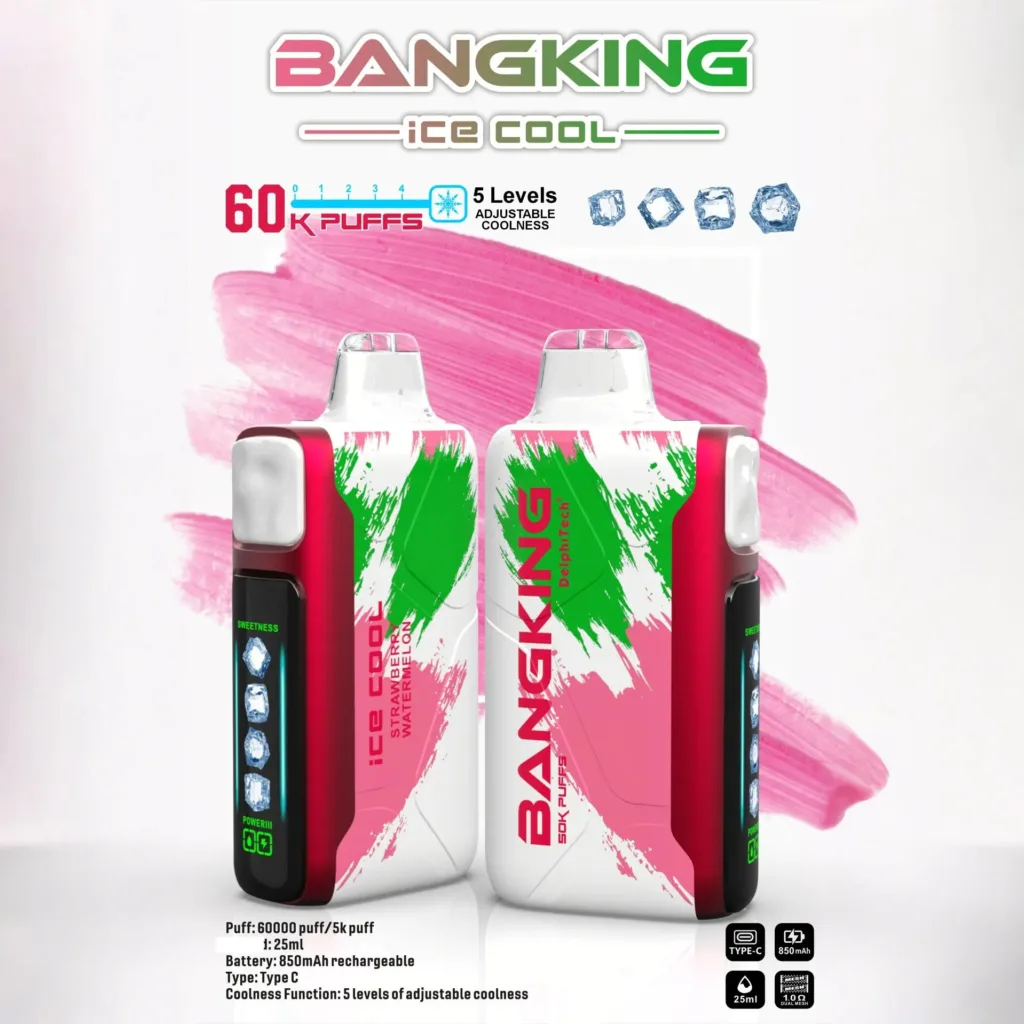
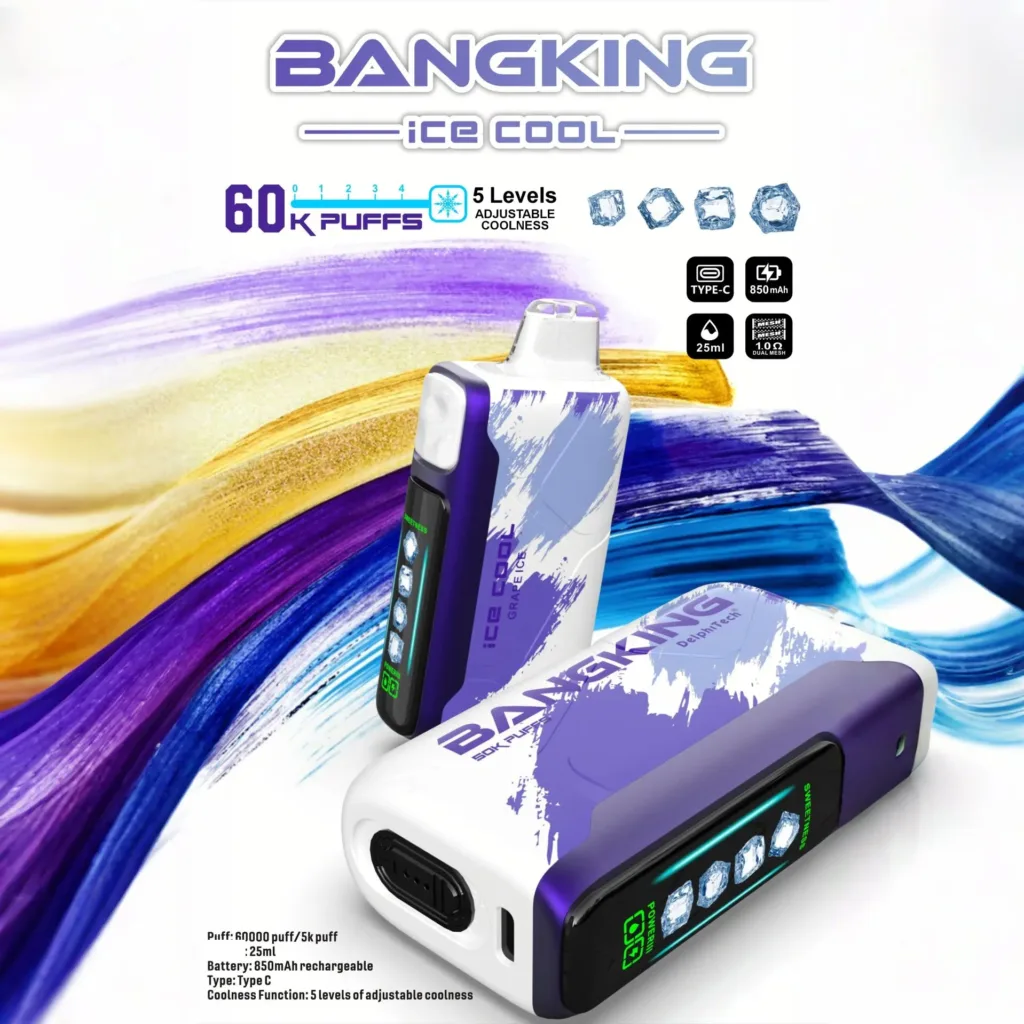
Engineered for extended lifespans, Bang Box devices utilize integrated rechargeable Type-C interfaces alongside 850mAh base cells. Their proprietary mesh coil systems operate at 1.0 ohms, generating dense vapor clouds while preserving the integrity of their diverse aromatic profiles. This line is highly recommended for consumer demographics seeking longevity.
RandM Tornado
Adjustable Airflow Architecture
RandM Tornado differentiates itself through customizable pneumatic controls. The rotating base valve allows users to physically restrict or open the air intake, transitioning the device seamlessly from a Mouth-To-Lung (MTL) to a Restricted Direct-Lung (RDL) draw. Their RGB LED actuation indicators also serve as diagnostic tools for battery health.
Elf Box
Compact Efficiency Standard
Setting the industry standard for form factor, the Elf Box utilizes a unibody polycarbonate chassis that maximizes internal volume for the formula reservoir while maintaining a highly pocketable footprint. Powered by an intelligent firing chipset, it delivers a precise 3.6V output, ensuring the sensory delivery remains unchanged even at 10% battery capacity.
4. Technical Specifications Comparison
For inventory managers evaluating the technical merits of different disposable vape lines, the following matrix outlines the core engineering parameters that dictate device performance and consumer satisfaction.5. The Economics of Bulk Sourcing with ELFVAPING
Supply chain efficiency is the bedrock of profitable retail. By centralizing your procurement strategy through ELFVAPING, retailers unlock significant logistical and financial advantages. As the foremost authority and largest online wholesale platform for disposable vapes in the Netherlands, Germany, Belgium, France, Portugal, Spain, Poland, and Denmark, we have optimized the importation and distribution pathways.Optimize Your Retail Inventory Today
Partner with the leading European distributor. Secure top-tier hardware, benefit from our exceptional QA processes, and capitalize on highly competitive wholesale rates.
Purchase wholesale disposable vapes on our centralized platform at ELFVAPING.
6. Sustainability Protocols and Environmental Responsibility
The proliferation of high-volume electronics necessitates a strict approach to environmental stewardship. Modern disposable vape brands are increasingly designing their hardware to align with the European Union's Waste Electrical and Electronic Equipment (WEEE) Directive.ELFVAPING exclusively champions manufacturers implementing sustainable design choices. This includes the transition toward biodegradable exterior polymers and modular internal architectures that allow specialized recycling facilities to easily extract the lithium-ion power cells from the copper and structural plastics. Educating the end-consumer on proper disposal channels remains a critical responsibility for retailers across the EU.7. Expert FAQs: Navigating Disposable Vape Procurement
QWhat is the Minimum Order Quantity (MOQ) for activating a wholesale account?
At ELFVAPING, we have structured our procurement model to support businesses of all scales. Our MOQ is set at an exceptionally accessible 10 pieces. This allows for rapid inventory diversification and localized market testing.
QWhich regions are fully supported by your logistical network?
We operate as the premier wholesale platform specifically catering to the Netherlands, Germany, Belgium, France, Portugal, Spain, Poland, and Denmark. Our localized payment gateways (such as iDEAL for the Netherlands and Bancontact for Belgium) facilitate frictionless transactions.
QHow do you verify the technical reliability of the devices supplied?
Our robust Quality Assurance program involves batch sampling using pneumatic draw simulators, multimeter diagnostics for battery health, and thermal stability checks. This ensures every product performs precisely to its advertised engineering specifications.
QAre there scalable pricing models for higher volume acquisitions?
Yes, while our MOQ begins at 10 units, our tiered pricing algorithm automatically applies significant discounts as your order volume increases, ensuring high-capacity distributors maximize their retail margins.
40000 Puff Vapes
WASPE AIVIOU 40000 Puffs Double Tastes LED Screen Bulk Buy Rechargeable Disposable Vapes Wholesale
20000 Puff Vapes
Bang Box 20000 Puffs Vape Rechargeable Bulk Buy Disposable Vape Wholesale
60000 Puff Vapes
WASPE AIVIOU 60000 Puffs 3 Tastes in 1 LED Screen Bulk Buy Rechargeable Disposable Vapes Wholesale
15000 Puff Vapes
RandM Tornado 15000 Puffs Bulk Buy Rechargeable Disposable Vape Wholesale
100000 Puff Vapes
BANG LEADER STOLL 100K Four Tastes 100000 Puffs Quad Mesh Coil Disposable Vapes Wholesale Bulk Buy
100000 Puff Vapes
WASPE Four Tastes 100K Puffs Bulk Buy Rechargeable Disposable Vapes Wholesale
18000 Puff Vapes
JNR Falcon X 18000 Puffs Dual Mesh Digital Display Bulk Buy Rechargeable Disposable Vapes Wholesale
20000 Puff Vapes
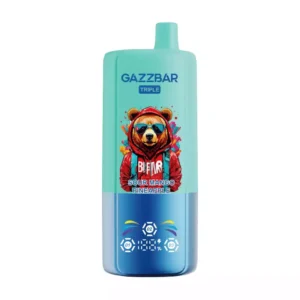
Gazzbar Rocket 20000 Puffs Dual Mesh LED Display Bulk Buy Rechargeable Disposable Vapes Wholesale